October 10, 2026




History looks like a straightforward conversation with the past. You find a diary, a court record, a newspaper, and the story assembles itself. In practice, the past rarely cooperates. Sources are fragmentary, written by people with agendas, and separated from us by assumptions we no longer share. Most errors in historical research are not dramatic frauds; they are small habits of mind that feel reasonable at the time. Here are five that trip up students, family historians, and curious readers alike—and how to correct them.
Presentism is the habit of measuring earlier people by contemporary values, categories, or expectations. It can be obvious—condemning a medieval peasant for not supporting democracy—or subtle. You might assume that marriage was always about romantic love, that childhood was always a protected stage, or that people in the past experienced religion the way a modern secular person might. These assumptions distort the questions you ask.
Fix it by starting with context. Before judging a decision, ask what options were available and what costs attached to each. Read sources from the period, including laws, sermons, letters, and household accounts. Try to identify the vocabulary people used. If they did not have a word for a concept, that absence matters. This does not mean abandoning moral judgment. It means making judgment after understanding, not before.
Every source is a witness with a point of view. A royal chronicle flatters the king. A merchant's diary omits the labor that made his profits. A photograph captures one second and one frame. Even a birth certificate reflects who was allowed to register the birth and what categories officials recognized. One source can be accurate and still mislead you about the whole.
Fix it by triangulating. Find at least two independent sources that speak to the same question. Independent means they were not copied from each other and do not share the same patron, family, or institution. Ask who made the source, for whom, and why now. When sources disagree, resist the urge to pick the one that fits your story. The disagreement is often the most interesting part. Use a checklist:
Primary sources are essential, but "primary" does not mean "objective." It means created close to the events by someone with a stake in them. A general's battle report is primary; it is also self-serving. A diary is primary; it may be written for posterity. Secondary sources—books and articles by historians—are not inferior. Good ones synthesize evidence, test arguments, and show where sources conflict.
Fix it by using both. Let a reputable secondary source guide you to primary material, then read the primary material yourself. Follow the footnotes. When a historian makes a claim, see what evidence supports it. If you only read primary sources without context, you may miss debates that have refined the interpretation. If you only read secondary sources, you are relying on someone else's filter.
Anachronism is more than a clock in a Roman epic. It is using a modern term or concept as if it described the past exactly. "Feudalism" is a label historians still argue about. "Scientist" was not used in its modern sense until the nineteenth century. "Race" has a history; so does "teenager." Dates matter, but so does sequence. Two events can be close in time and still not cause each other.
Fix it by building a timeline before you build an argument. Note not just years but seasons, reigns, wars, harvests, and epidemics. Define your terms and check when they entered common use. If you must use a modern word, say so and explain the fit. Ask what came before and after. An event without before and after is a snapshot, not history.
Archives are not neutral. They preserve what powerful people and institutions thought worth keeping. Court records, tax rolls, and land deeds can reveal ordinary lives, but they usually record people at moments of conflict or obligation. If a group rarely appears, that does not mean they did not exist. It may mean no one with power wrote them down, their records were destroyed, or their history was oral.
Fix it by reading against the grain. Ask what the document assumes and who had to be present for it to make sense. Look for traces in unexpected places: inventories, wills, recipes, marginal notes, archaeology, oral histories, and images. Be careful not to invent details to fill gaps. Say "we do not know" when that is the honest answer. Uncertainty is part of the evidence.
None of these fixes requires a degree. They require patience and a willingness to be wrong. Before you write or share a historical claim, run this quick routine:
Then write. Keep a research log with dates, source locations, and direct quotations. Note what you could not find; future researchers—or your future self—will thank you. History is not a set of facts waiting to be memorized. It is an argument built from traces. The mistakes above are common because they are human. The fixes are common too: slow down, compare, contextualize, and stay curious.
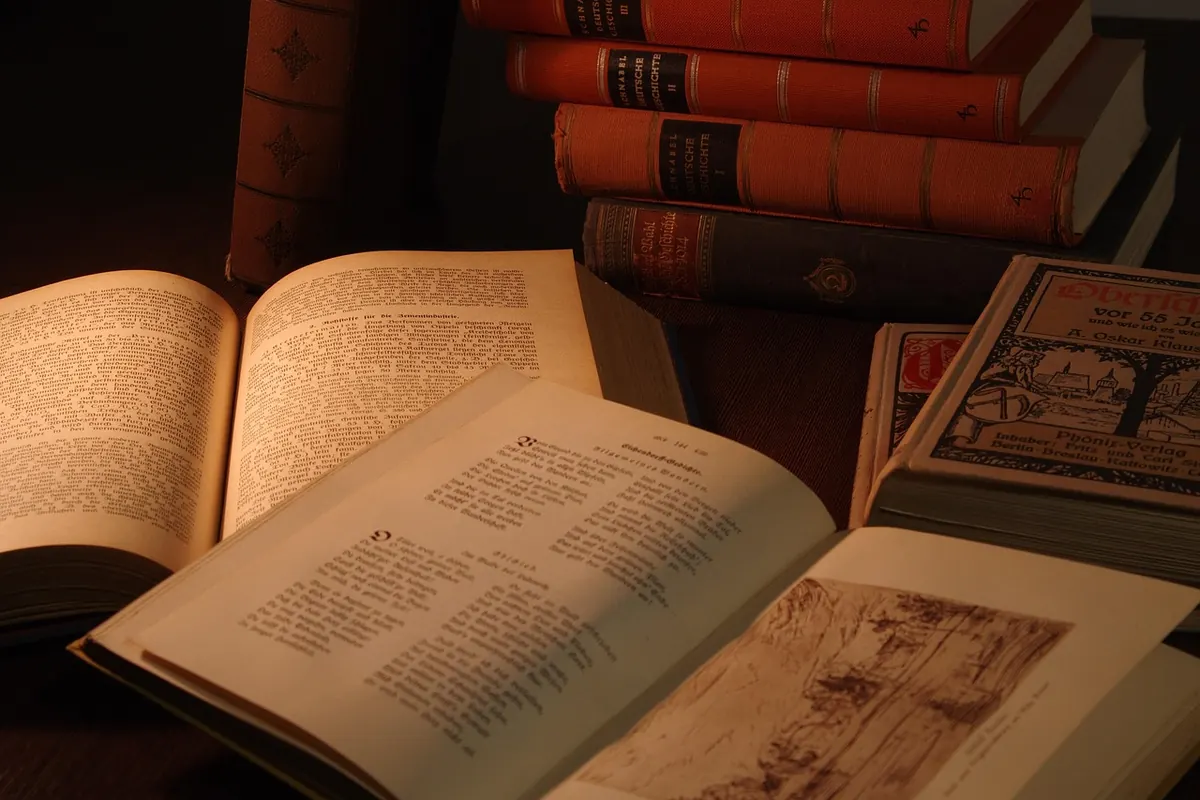
Photo: Arcaion / Pixabay

A ton of curious facts and stories.
Copyright © 2026 Curious Ton. All rights reserved. Curious Ton.